

Knee pain after running: what it actually means

Knee pain after running has several possible causes. Stop the painful running and note where and when it hurts; the label runner’s knee is not enough to choose a treatment.

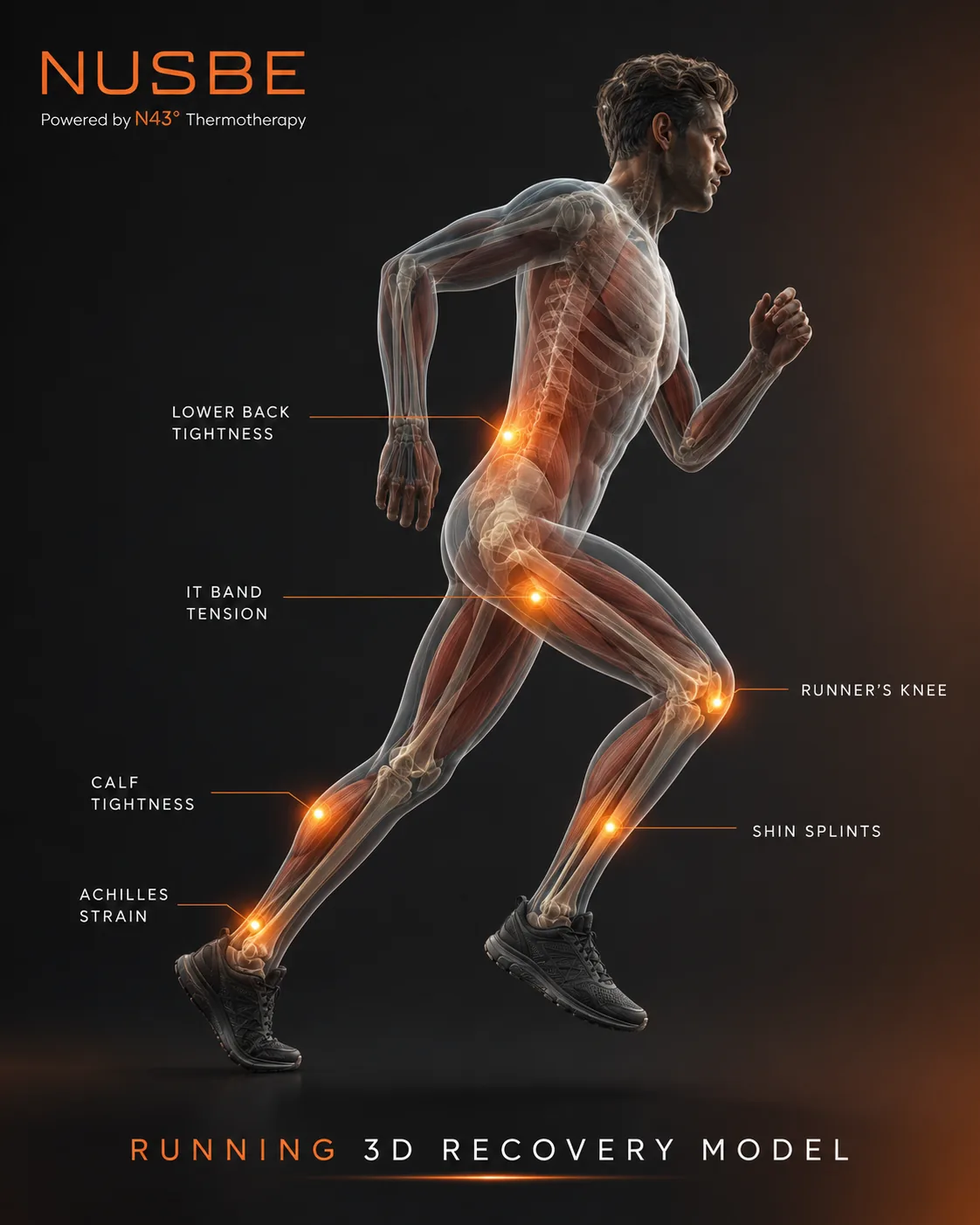
Running recovery model showing lower back, hip, hamstring, knee, calf and Achilles load areas
Running recovery model — lower back, hips, hamstrings, knees, calves and Achilles.

What to notice

Useful details include pain during the run or later, recent distance and hill changes, swelling and what happens on stairs. Share these with a physiotherapist or doctor if symptoms persist.

Practical next steps

  • Do not keep running through knee pain to see whether it disappears.
  • Avoid copying a strengthening or stretching programme before the cause is clear.
  • If pain does not settle, arrange an assessment and a suitable return plan.

When to get help

Seek urgent assessment for a badly swollen or deformed knee, inability to bear weight, locking or giving way. A hot, red knee with fever also needs urgent care.

Frequently asked questions

Will a new pair of shoes fix running knee pain?

Shoes are one consideration, not a diagnosis or guaranteed solution. Recurrent pain, swelling or loss of function deserves assessment.

Evidence referenced in this guide

Related guides

Explore the evidence

Request a NUSBE session