

Brick sessions and why your legs feel strange

A bike-to-run brick changes the task while you are already exercising. An unfamiliar leg sensation is a reason to begin conservatively; sharp pain or altered running should not be dismissed as a normal transition.

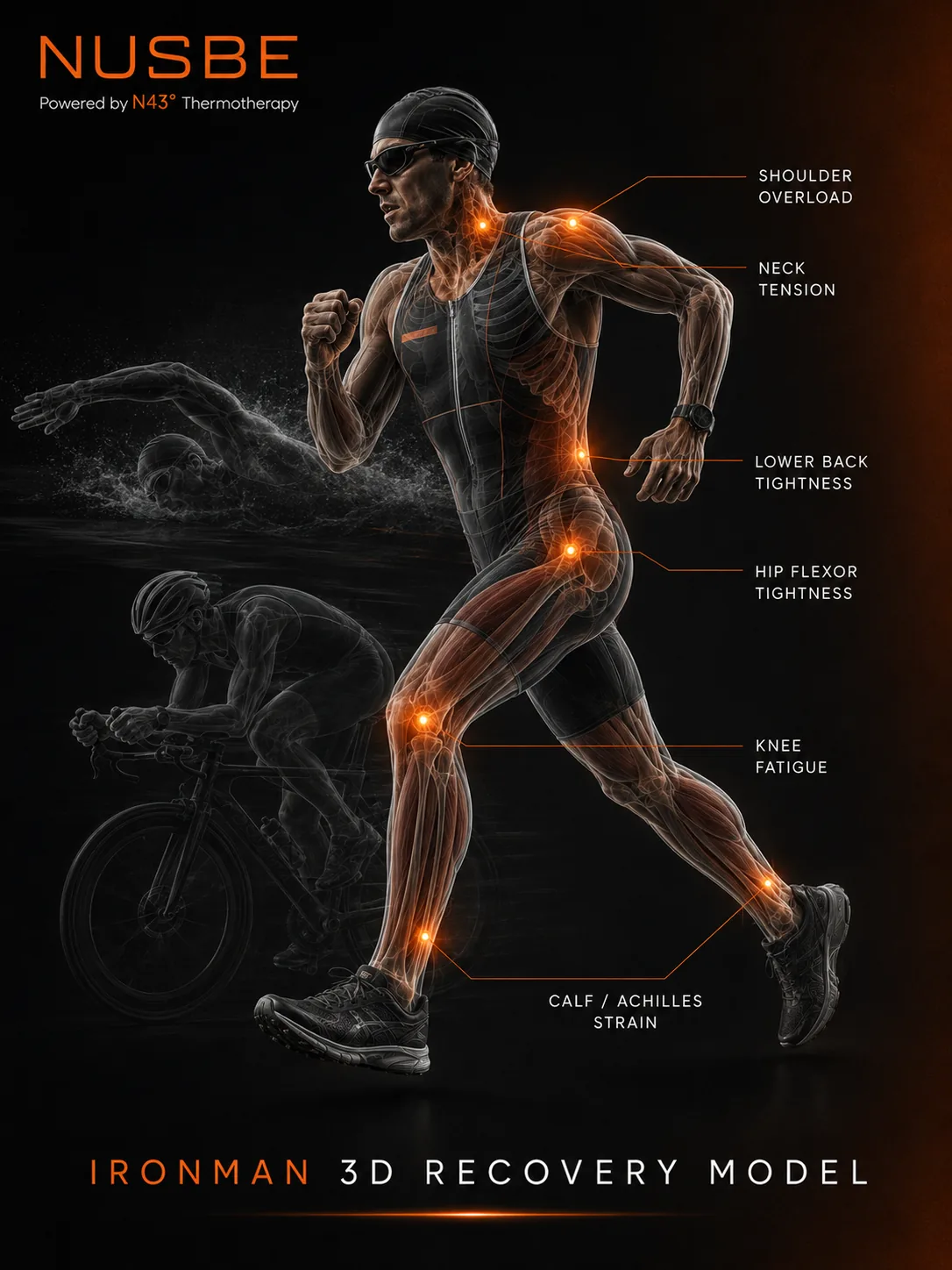
Triathlon recovery model showing shoulder, lower back, hip, quad, knee and calf load areas
Triathlon recovery model — shoulders, lower back, hips, quads, knees and calves.

What to notice

Treat the bike and run as one session when logging workload. Note bike effort, run pace and the point at which any discomfort begins.

Practical next steps

  • Use a planned transition run that matches your current preparation.
  • Do not increase bike intensity and run length together without reviewing the whole session.
  • Stop and assess pain that changes your stride rather than forcing the legs to settle.

When to get help

Arrange assessment for persistent or worsening pain, swelling or difficulty using the area normally. After an injury, seek urgent help for severe pain, deformity, numbness or inability to bear weight.

Frequently asked questions

Does an awkward first run segment mean I need more bricks?

Not automatically. Review pace, preparation and symptoms with your coach before adding more combined sessions.

Evidence referenced in this guide

Related guides

Explore the evidence

Request a NUSBE session