

Shoulder load and stroke volume in swimming

Shoulder symptoms during swimming warrant a review of stroke volume and the kinds of sets you perform. Recurrent pain is a reason to modify the session and seek assessment, not simply stretch harder.

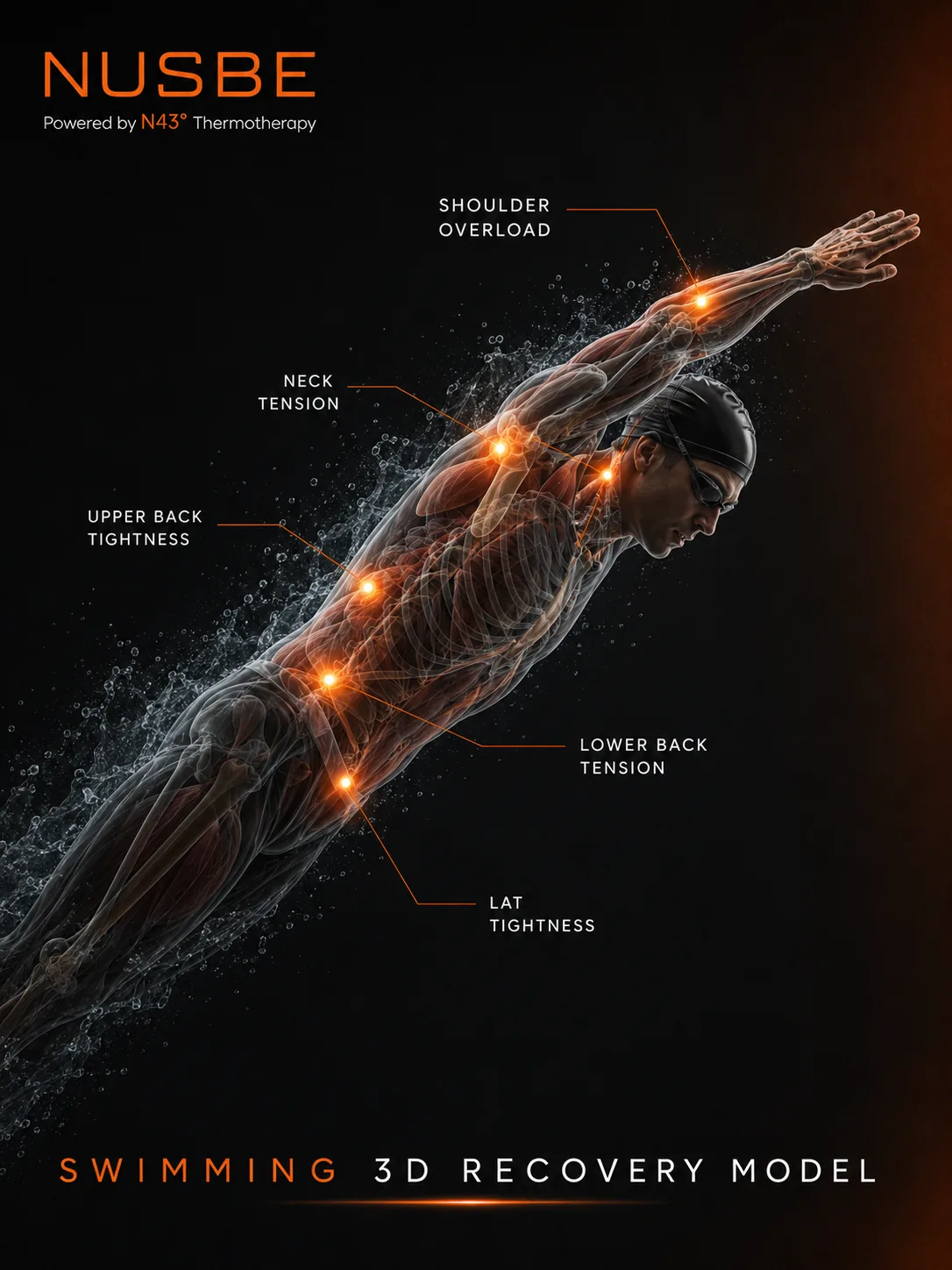
Swimming recovery model showing shoulder, upper back, neck, lower back and calf load areas
Swimming recovery model — shoulders, upper back, neck, lower back and calves.

What to notice

Extra lengths, harder pulling and a new piece of equipment can arrive in the same week. Record what changed so your coach can adjust one demand at a time.

Practical next steps

  • Note when in the stroke the pain occurs and whether it affects daily reaching.
  • Pause painful paddle or pulling sets pending a review.
  • Use a gradual, appropriate return to training if an injury is diagnosed.

When to get help

Seek urgent assessment for sudden severe shoulder pain, a changed shape, inability to move the arm or persistent numbness. Arrange a review if pain keeps returning or does not improve.

Frequently asked questions

Does good technique mean I can ignore shoulder pain?

No. Technique is only one part of the picture. Persistent pain or weakness still needs assessment.

Evidence referenced in this guide

Related guides

Explore the evidence

Request a NUSBE session