

Masters swimming: recovering between early sessions

Early swimming sessions need a schedule that leaves room for recovery as well as training. Age alone does not set the answer; consider recent swimming, work demands, sleep and any recurring symptoms.

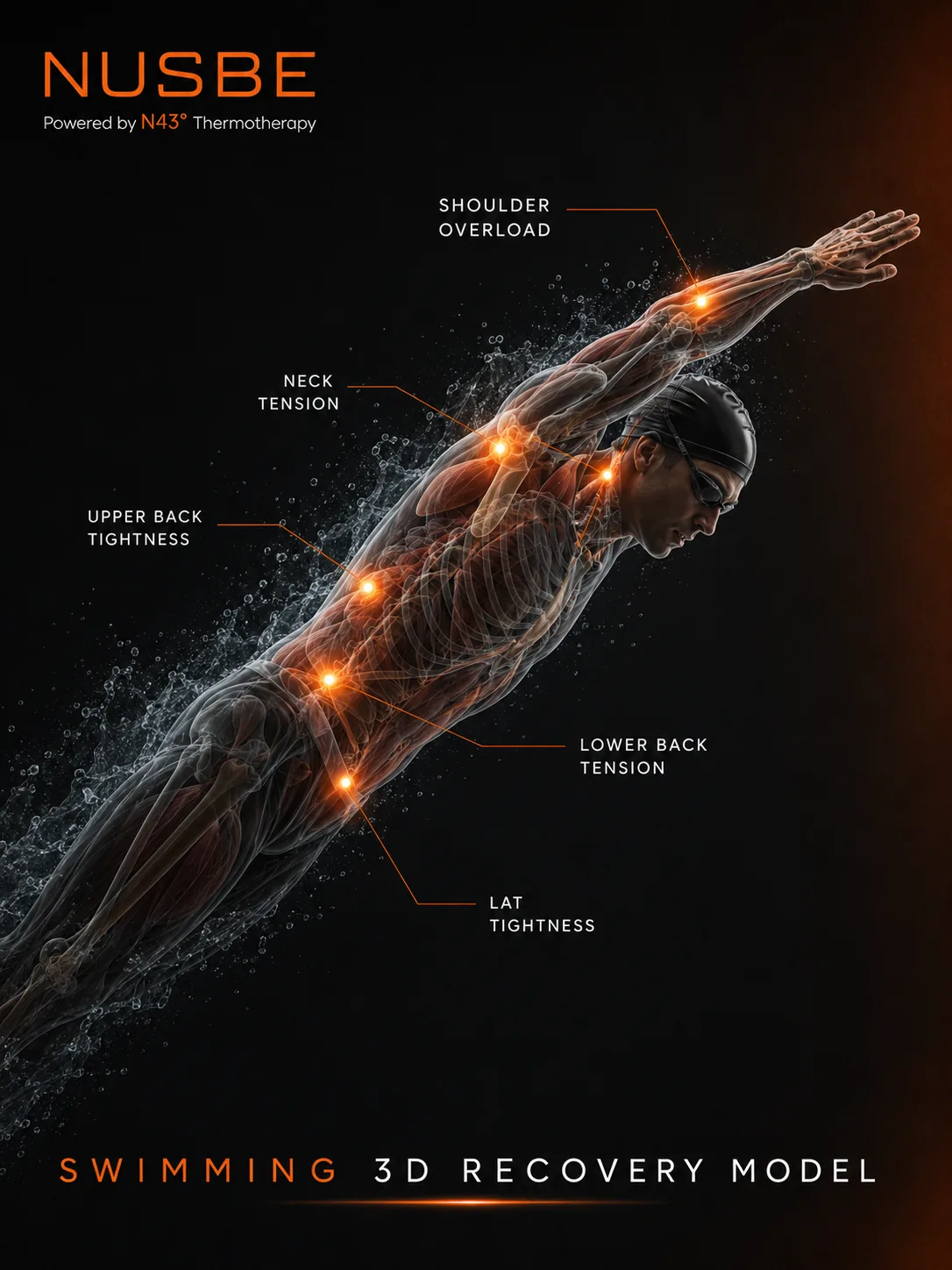
Swimming recovery model showing shoulder, upper back, neck, lower back and calf load areas
Swimming recovery model — shoulders, upper back, neck, lower back and calves.

What to notice

A masters group can contain very different training histories. Let the coach know whether you are returning after a break or adding pool sessions to running and gym work.

Practical next steps

  • Agree a version of the set that fits your current preparation.
  • Track how early sessions affect your available sleep and daily fatigue.
  • Report shoulder pain before adding paddles, distance or hard repeats.

When to get help

Seek urgent assessment for sudden severe shoulder pain, a changed shape, inability to move the arm or persistent numbness. Arrange a review if pain keeps returning or does not improve.

Frequently asked questions

Should I match a faster swimmer’s weekly volume?

Not automatically. Their training history and recovery opportunities may differ. Use an individual plan rather than the lane’s fastest example.

Evidence referenced in this guide

Related guides

Explore the evidence

Request a NUSBE session