

Recovering between back-to-back hiking days

For consecutive hiking days, plan the second route around the first day’s effect on your walking. A fixed itinerary should not override a limp, a painful foot or worsening fatigue.

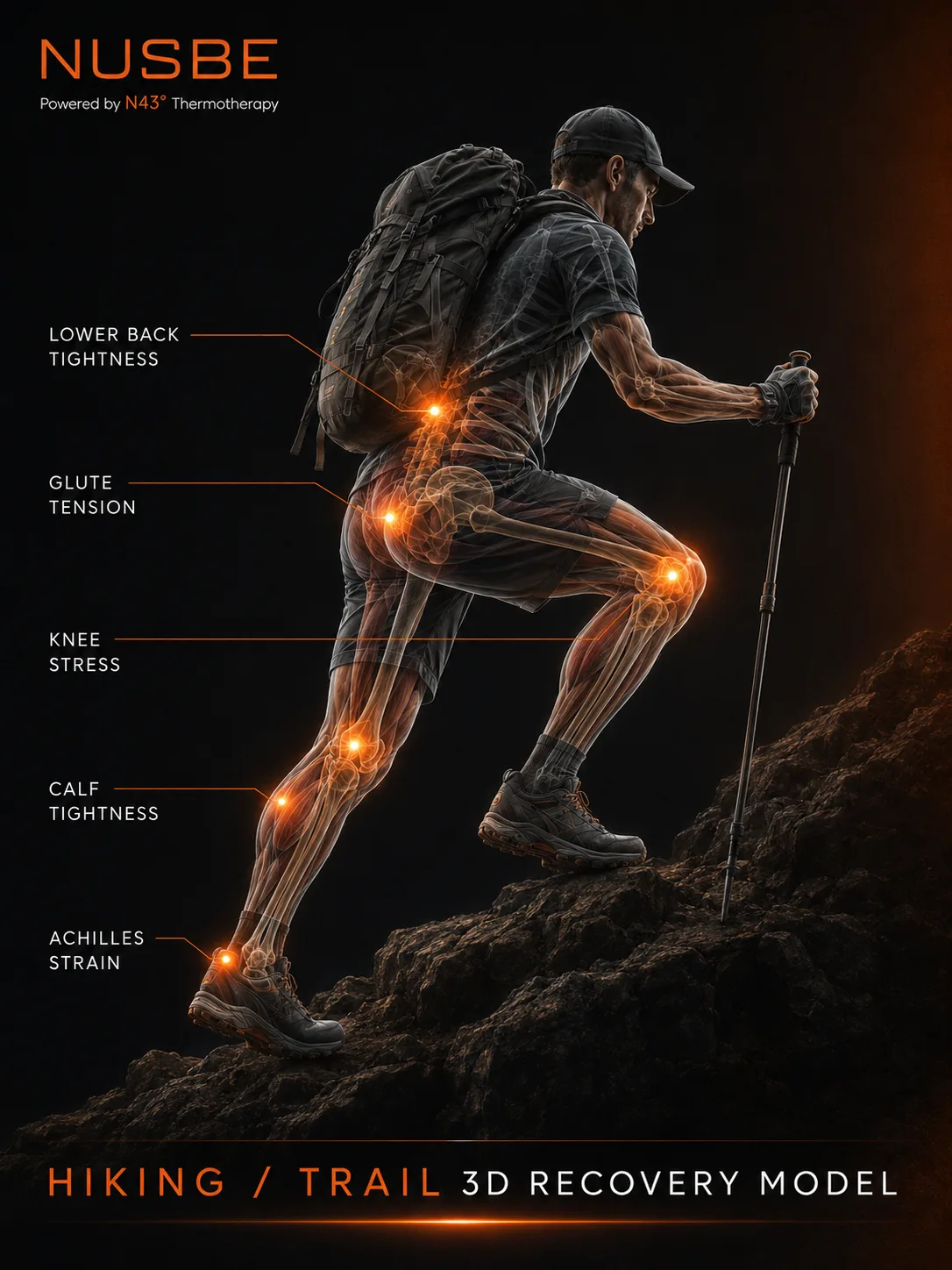
Hiking recovery model showing shoulder, lower back, quad, knee, calf and foot load areas
Hiking recovery model — shoulders, lower back, quads, knees, calves and feet.

What to notice

Distance, elevation, pack weight and weather belong in the same plan. An easier escape route and a realistic turnaround point are useful before you leave, not only when you are tired.

Practical next steps

  • Inspect feet and footwear at the end of day one.
  • Keep food, water and overnight essentials accessible; do not remove essential supplies just to lighten a pack.
  • Shorten or change day two when walking or descending is no longer comfortable.

When to get help

Arrange assessment for persistent or worsening pain, swelling or difficulty using the area normally. After an injury, seek urgent help for severe pain, deformity, numbness or inability to bear weight.

Frequently asked questions

Can a long stretch make me ready for the next trail?

A stretch does not establish trail readiness. Consider your walking, balance, symptoms and the difficulty of the route together.

Evidence referenced in this guide

Related guides

Explore the evidence

Request a NUSBE session