

Hips, knees and court movement in tennis

Wide reaches, braking and changes of direction can make tennis demanding on the hips and knees. Pain during these tasks is different from a general muscle ache the following day.

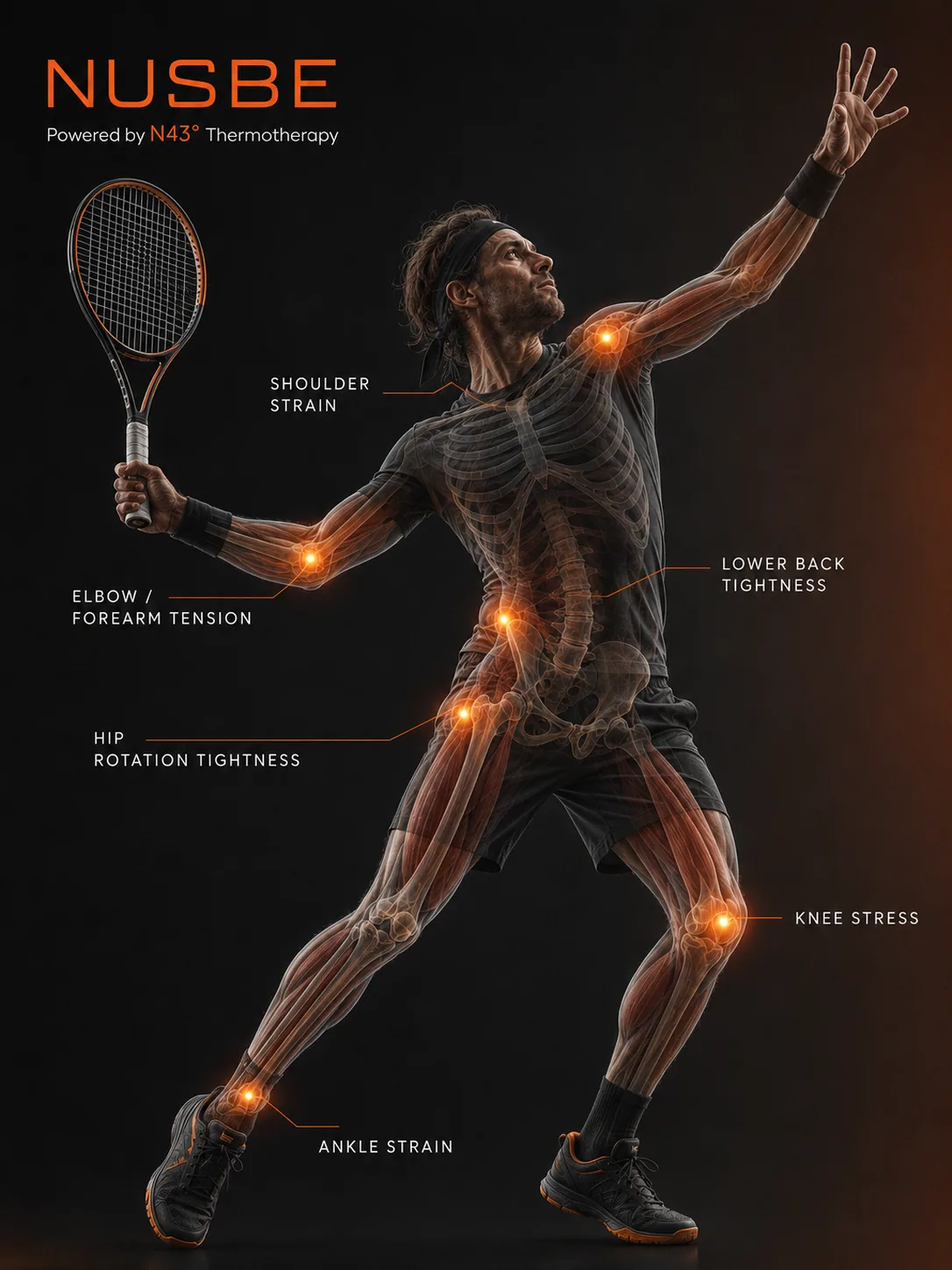
Tennis recovery model showing shoulder, elbow, lower back, hip, knee and ankle load areas
Tennis recovery model — shoulder, elbow and forearm, lower back, hip, knee and ankle.

What to notice

Review surface, footwear and the practice format. A doubles session with fewer wide chases is a different task from repeated singles movement drills, but neither is appropriate if it remains painful.

Practical next steps

  • Identify whether the trigger is pushing off, braking, pivoting or reaching.
  • Pause the painful movement drill and discuss a suitable modification.
  • Get a swollen, locking or giving-way knee assessed rather than changing shoes alone.

When to get help

Seek urgent assessment for a badly swollen or deformed knee, inability to bear weight, locking or giving way. A hot, red knee with fever also needs urgent care.

Frequently asked questions

Can I keep playing if only lateral movement hurts?

Lateral movement is a central part of tennis. Avoid repeatedly provoking it and seek advice if it limits play or persists.

Evidence referenced in this guide

Related guides

Explore the evidence

Request a NUSBE session