

Golf shoulder and forearm fatigue across a season

Golf shoulder and forearm symptoms may follow both rounds and practice. Review grip, repeated swings and any abrupt strike into the ground; ongoing pain is not simply seasonal fatigue.

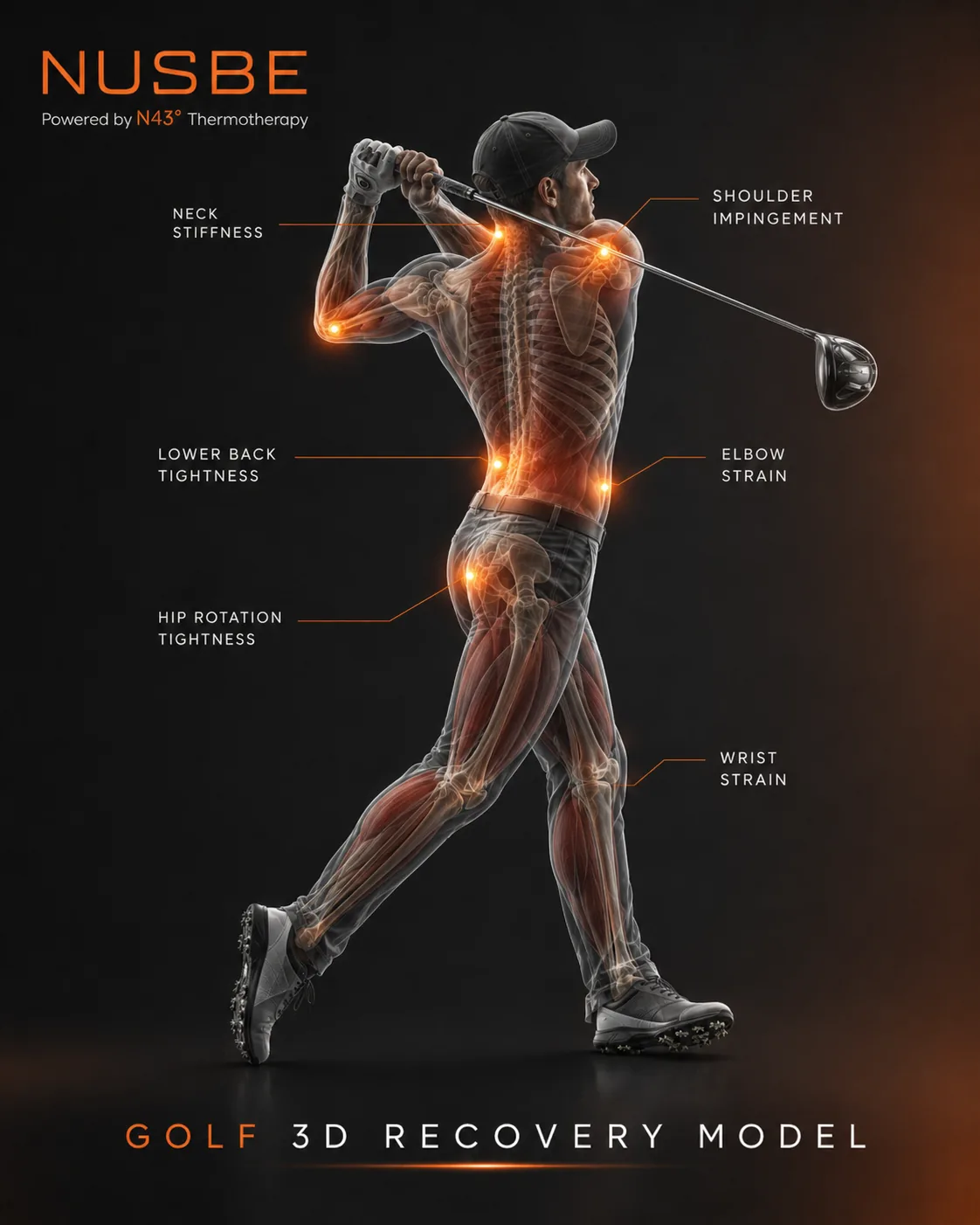
Golf recovery model showing neck, shoulder, lower back, hip and wrist load areas
Golf recovery model — neck, shoulders, lower back, hips and wrists.

What to notice

Record the painful part of the task: backswing, impact, follow-through or gripping everyday objects. That is more informative than describing the whole arm as tight.

Practical next steps

  • Reduce the practice movement that provokes symptoms.
  • Have a professional review grip and swing without promising that one equipment change will solve pain.
  • Get symptoms assessed if they affect dressing, lifting or sleep as well as golf.

When to get help

Seek urgent assessment for sudden severe shoulder pain, a changed shape, inability to move the arm or persistent numbness. Arrange a review if pain keeps returning or does not improve.

Frequently asked questions

Can forearm pain be golfers elbow or tennis elbow?

Those names describe different clinical patterns, not a diagnosis based on your sport. An assessment can distinguish them from other causes.

Evidence referenced in this guide

Related guides

Explore the evidence

Request a NUSBE session