

Recovering between back-to-back basketball days

When basketball games are close together, the practical decision is how much play you can tolerate, not which treatment can guarantee readiness. Discuss minutes and any injuries before the next game.

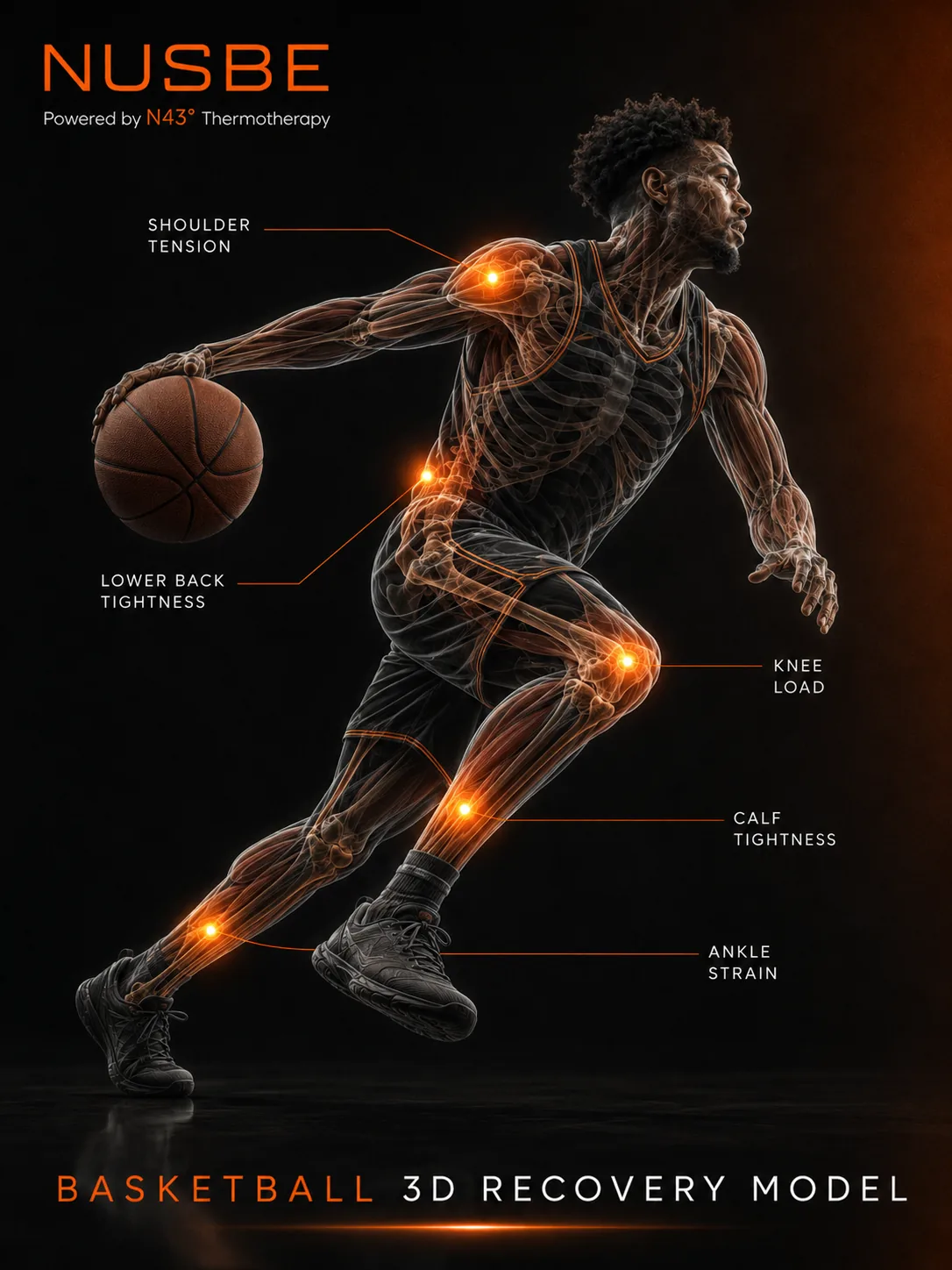
Basketball recovery model showing shoulder, lower back, knee, calf and ankle load areas
Basketball recovery model — shoulders, lower back, knees, calves and ankles.

What to notice

A tournament schedule may be fixed while your playing time is adjustable. Give the coach useful information: minutes already played, a painful landing, unusual fatigue or a change in running and jumping.

Practical next steps

  • Use time between games for meals, fluids and rest rather than extra conditioning.
  • Check any swelling or restricted movement before warm-up.
  • Agree reduced minutes or sitting out when symptoms interfere with play.

When to get help

Arrange assessment for persistent or worsening pain, swelling or difficulty using the area normally. After an injury, seek urgent help for severe pain, deformity, numbness or inability to bear weight.

Frequently asked questions

Can a recovery session replace a rest day?

No session can guarantee that accumulated fatigue or an injury has resolved. Readiness still depends on your symptoms, function and clinical advice when injured.

Evidence referenced in this guide

Related guides

Explore the evidence

Request a NUSBE session